
Supplier Performance Management That Improves Delivery
Performance improves when teams can transparently measure what is committed vs what is delivered. SourceDay helps manufacturers and distributors see performance against commitments, so teams can spot performance risks and act before issues impact production or customer delivery.
Where Supplier Performance Measurement Breaks Down
When performance measurement is disconnected from current PO commitments, teams lose sight of what actually happened. That makes supplier performance feel subjective. Teams can see the impact, but it is harder to measure the pattern, assign ownership, and improve reliability over time.
WHAT YOU SEE EVERY WEEK
THE DOWNSTREAM COST
Parts arrive late or early
with no warning
Excess inventory tied up in the
wrong materials
Supplier date changes live in
emails, not systems
Expedites and downtime when the right parts still don’t show up
Planners buffer stock because
they distrust the data
Planning teams stuck
reacting instead of planning

A Practical Model for Measuring Supplier Performance
Supplier performance improves when teams are able to accurately measure commitments against delivery.
- Confirm open orders: Start with clear commitments. Confirm dates, quantities, pricing, and changes against active POs.
- Control inbound supply: As orders move toward delivery, track exceptions, delivery changes, shortages, and late risks.
- Improve supply performance: With better PO and delivery data, teams can identify patterns by supplier, item, or order and use scorecards to improve over time.
With structured supplier performance management, buyers can:
- See which suppliers need attention now
- Track delivery risk against active POs
- Focus improvement efforts on recurring issues

How SourceDay Supports Supplier Performance
SourceDay connects acknowledgments, date changes, quantity updates, and delivery activity to the actual PO. That gives teams a clearer view of performance to commitments, not just plans.
With SourceDay, teams can:
- Track on-time delivery and commitment accuracy
- Monitor performance trends over time
- Compare performance by item or order
- Identify late, missing, or changing commitments earlier
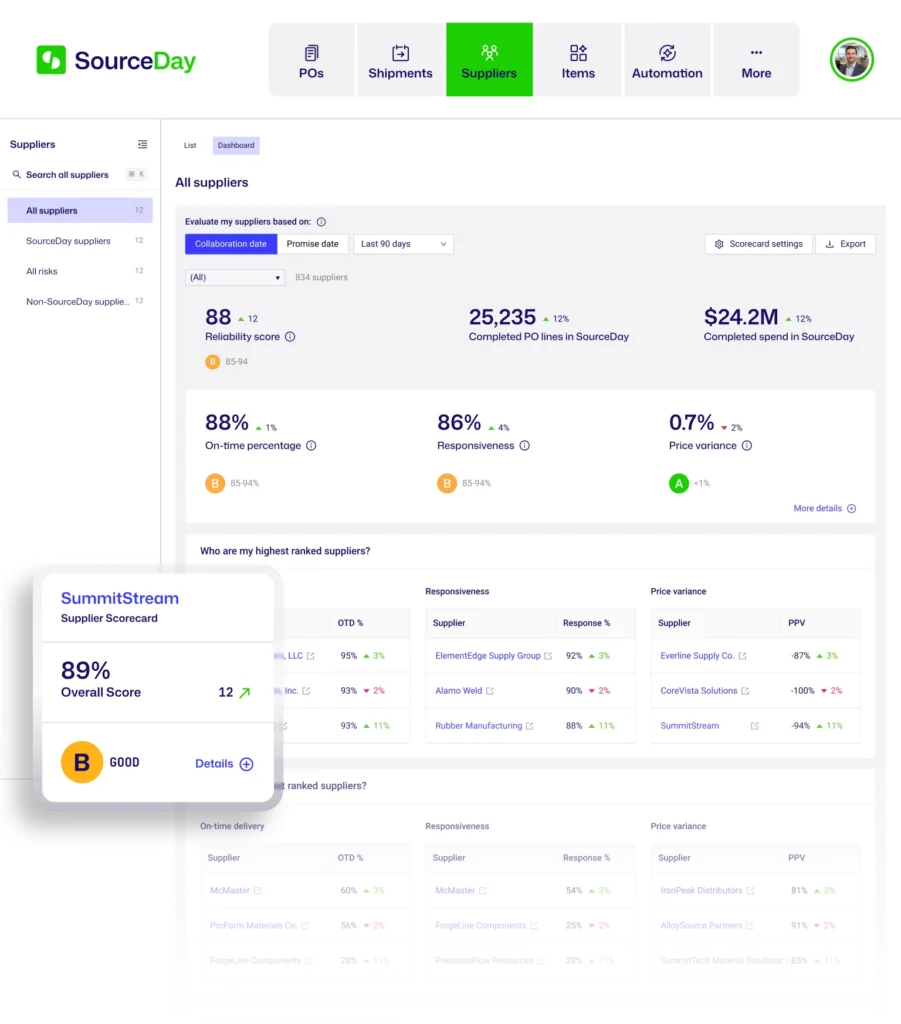
How Teams Improve Supplier Performance
Most teams start by getting better visibility into the supplier commitments already affecting operations.
This gives teams a more practical way to improve supplier performance: start with the PO data already driving daily execution, then use that data to build clearer accountability over time.
01

Capture accurate supplier commitments

#BG-78854
Mon Jun 27th
02
Monitor supplier performance metrics in real time
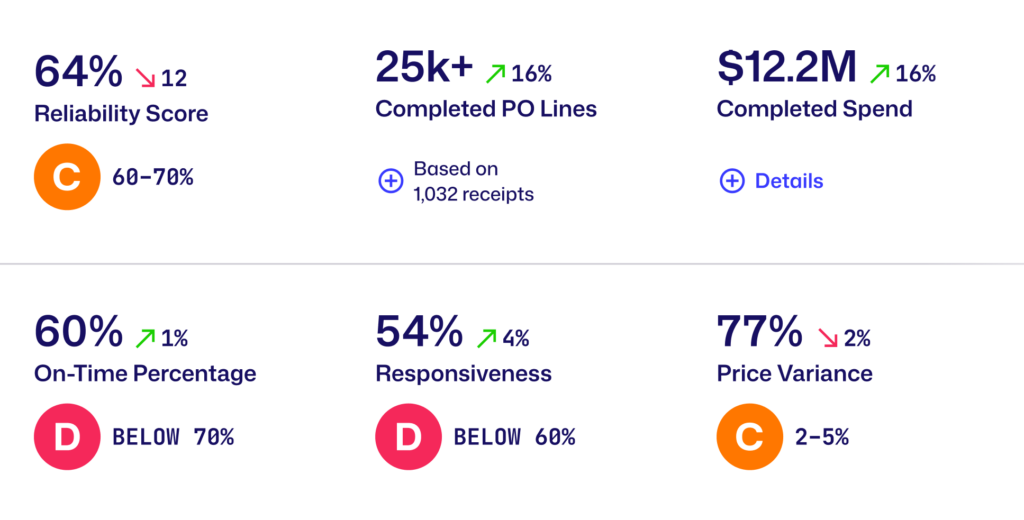
03
Use scorecards to guide improvement
76% OTD
97% OTD
Supplier Performance in Practice
Manufacturers use SourceDay to improve supplier performance by making commitments, delivery trends, and exceptions easier to see.

BraunAbility
Automotive mobility leader boosts on-time delivery by 30%, cuts inventory 22%, and eliminates procurement chaos with SourceDay

Ag Leader
Agriculture technology company boosted on-time delivery to 99%, cut inventory 32%, and saved millions using SourceDay with Epicor ERP.

Sportsman Boats
Learn how Sportsman Boats used SourceDay to reduce safety stock by 66% and achieved zero downtime from missing parts while their business was growing 40%.

Hubbardton Forge
How the artisan light maker reduced their buyers’ clerical work by 25%.

JBT AeroTech
JBT AeroTech saves $800K and boosts on-time delivery by fixing supplier communication with SourceDay
Supplier Collaboration FAQs
Supplier performance is measured using consistent metrics such as on-time delivery, quantity accuracy, responsiveness, and trend reliability across purchase orders.
Common supplier performance metrics include on-time delivery percentage, lead time reliability, order accuracy, responsiveness, and performance trend analysis.
A supplier performance scorecard is a structured evaluation tool that tracks supplier metrics over time and provides objective insight into performance trends.
Supplier performance evaluation involves reviewing performance metrics, delivery trends, and commitment accuracy to determine reliability and improvement opportunities.
Companies improve supplier performance by increasing visibility into commitments, automating measurement, and using real-time data to guide structured improvement discussions.
A supplier performance dashboard centralizes supplier metrics, delivery performance, and trend data to provide continuous visibility into supplier reliability.
Supplier Performance Resources
-
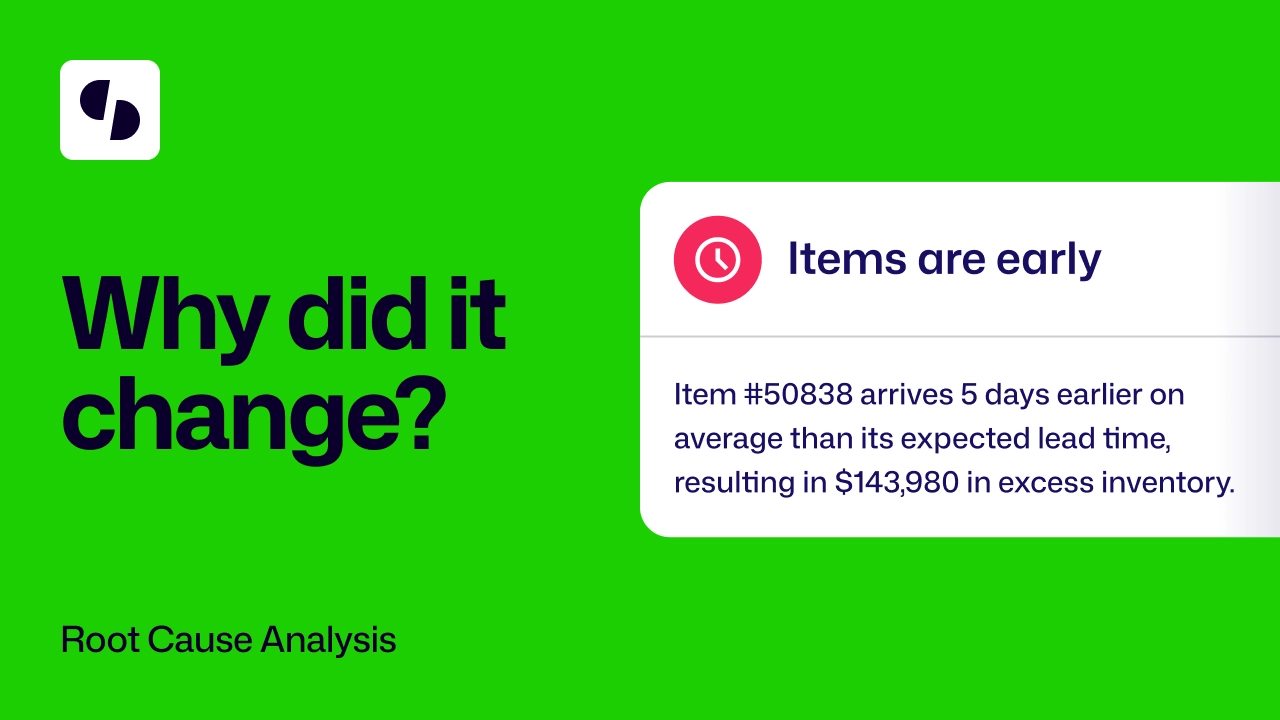
How Root Cause Analysis Improves Supplier Performance
View Resource
-
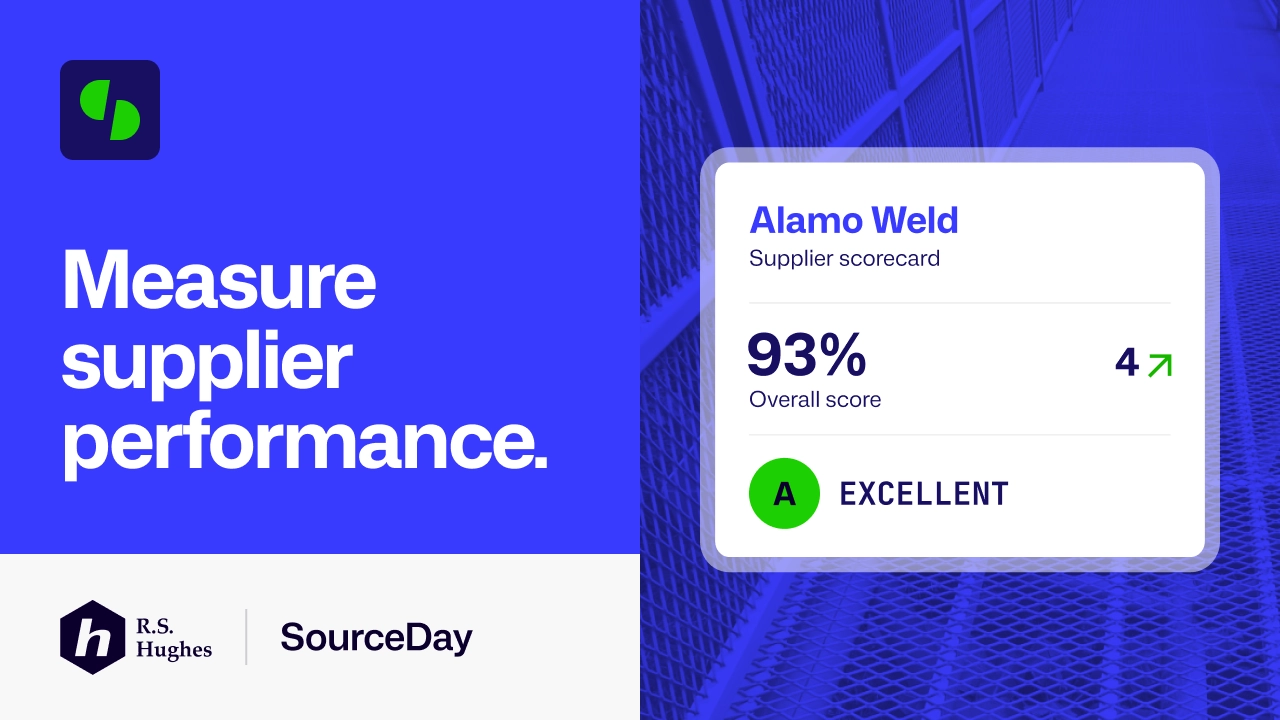
How Supplier Scorecards Improve Supplier Performance
View Resource
-

How Ag Leader Improved On-Time Delivery from 76% to 99%
View Resource
-
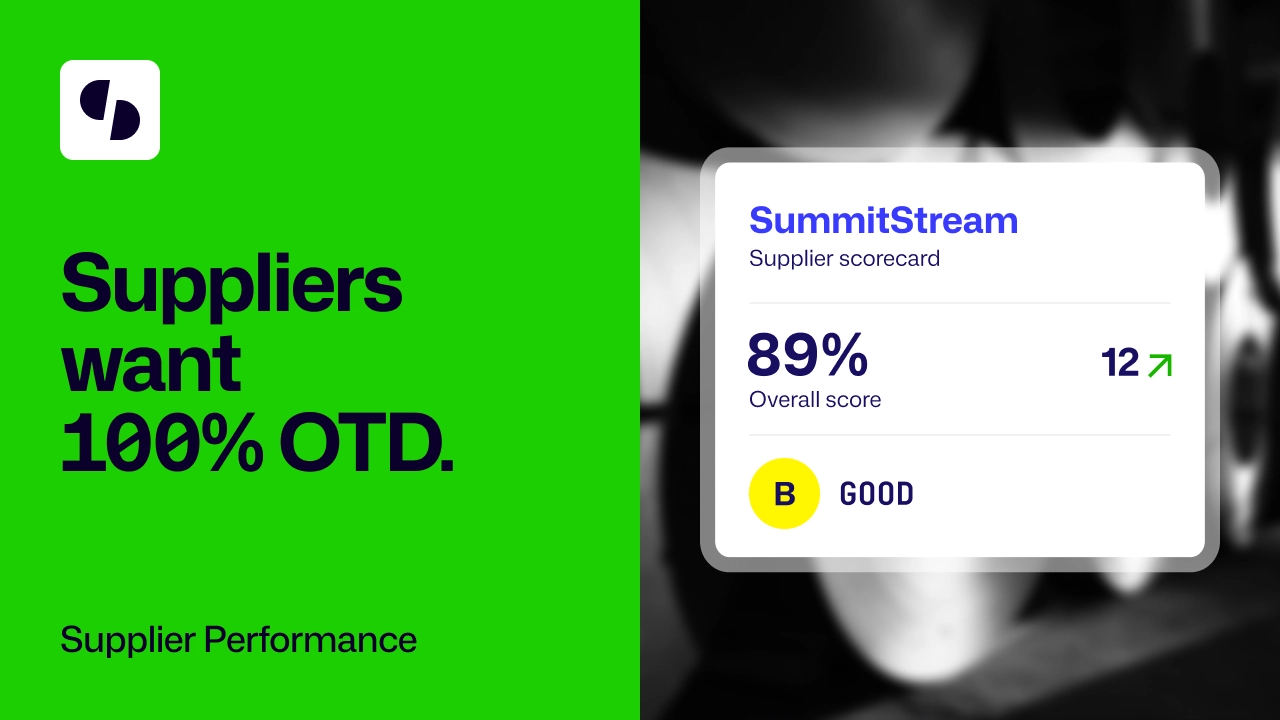
How Supplier Performance Visibility Improved Supplier Accountability at Time Manufacturing
View Resource
-
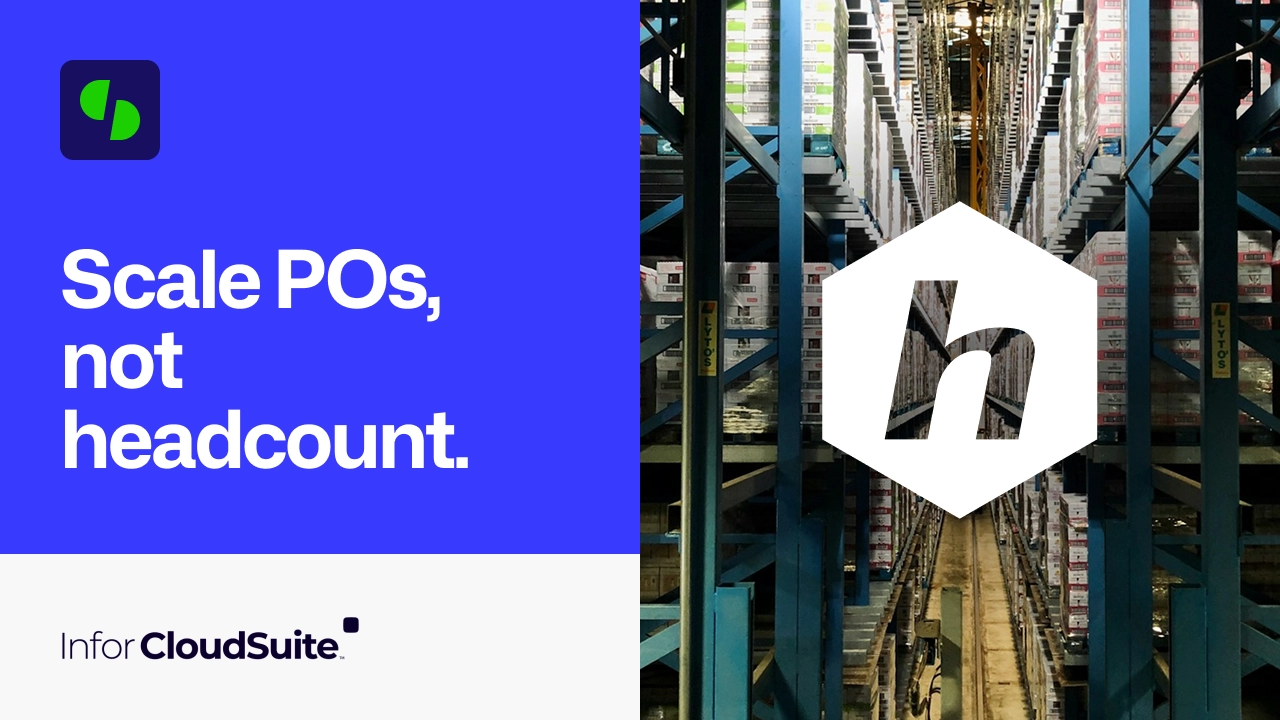
How RS Hughes Scaled Purchase Order Collaboration in Infor CloudSuite Distribution
View Resource
-
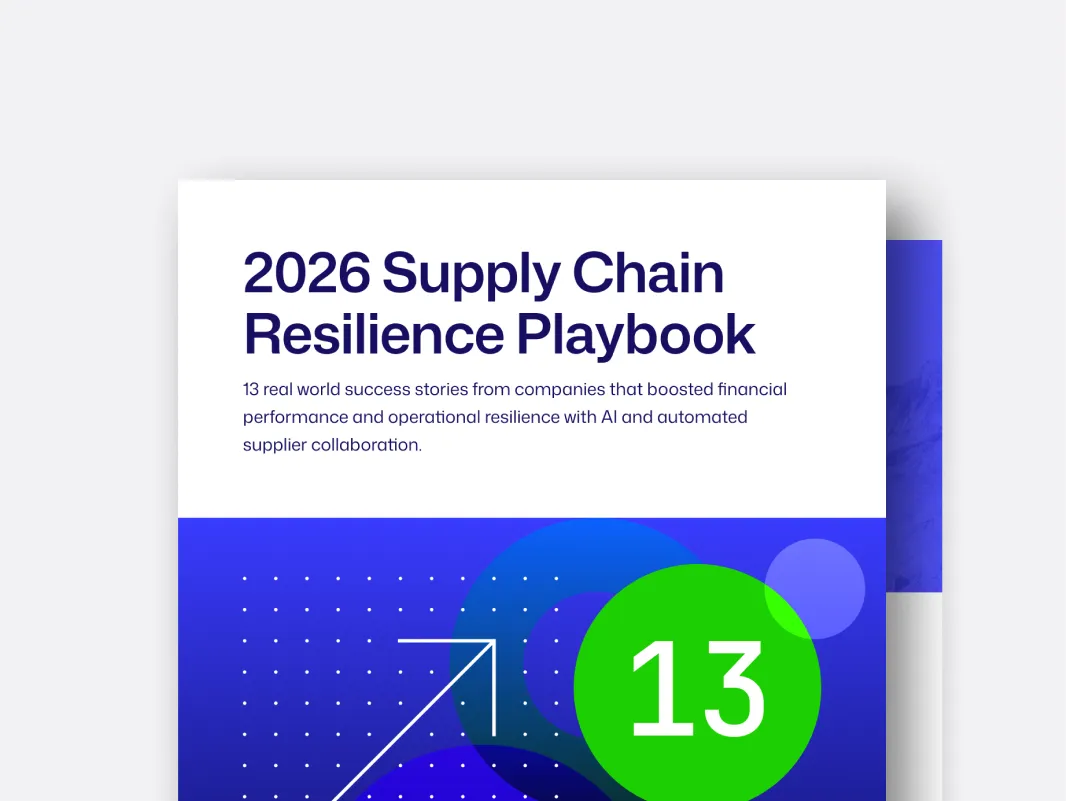
2026 Supply Chain Resilience Playbook
View Resource
-
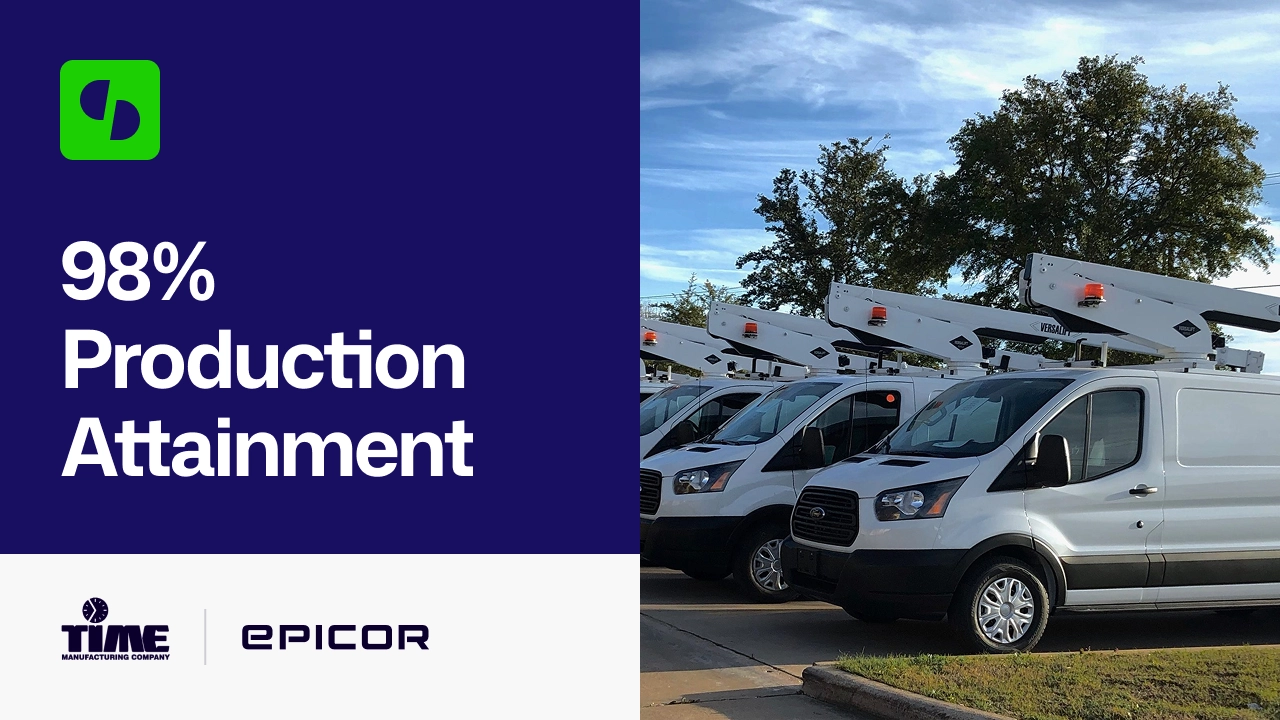
How Time Manufacturing Improved Supplier Performance and Production Attainment with SourceDay
View Resource
-

Supply Volatility Index, Fall 2025
View Resource
-

Executive’s Guide to Driving Growth by Improving Supplier Performance
View Resource
-

White Paper: A CFO’s Guide to Supply Chain Financial Excellence
View Resource
-

EBook: How to Track the 10 Critical Supplier KPIs
View Resource
-
Top 10 Supplier KPIs to Track
View Resource